Carestify Press
RSS FeedThe $7,464 Collision Tax: How Accident History Dynamically Alters Used Car Value in Canada
June 21, 2026 · Noah Minami
The $7,464 Collision Tax: How Accident History Dynamically Alters Used Car Value in Canada
Summary: The Cost of a Dirty Vehicle History Report
Navigating the Canadian secondary automotive market requires a sharp eye for data, especially as overall dealer inventory climbs by a significant 21.6% month-over-month. While the national average used vehicle listing price has safely plateaued around $31,619 CAD, structural regional disparities and specific vehicle backgrounds create staggering value gaps. The most eye-opening metric from the June 2026 CARFAX Canada Used Vehicle Market Insights report confirms that roughly 30.9% of all listed used vehicles across Canada carry reported damage history. More importantly, these damaged vehicles trade at an average listing price premium discount of **$7,464 CAD lower** than their pristine, undamaged counterparts. This comprehensive tactical guide dissects how a single insurance claim permanently alters a vehicle\'s market equity, how localized demand in British Columbia intensifies this pricing penalty, and what precise steps private sellers can execute to mitigate financial loss during a dealer appraisal or private sale.
Demystifying the $7,464 Damage Penalty in the 2026 Market Plateau
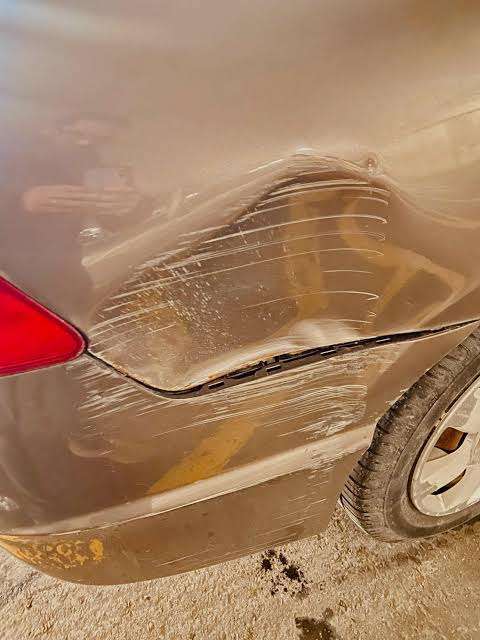
Stumbling across a substantial pricing spread in a stabilizing market highlights exactly why a vehicle history report dictates the terms of a transaction. Having spent years analyzing vehicle depreciation curves and working closely with local automotive professionals to verify wholesale numbers, I have seen firsthand how a single line item on a CARFAX report completely derails a negotiation. The reality behind the $7,464 average market penalty is deeply tied to modern vehicle complexity. In 2026, a seemingly minor rear-end fender bender is rarely just a matter of cosmetic bumper repair. Modern body architecture integrates intricate Advanced Driver Assistance Systems (ADAS), backup cameras, and proximity sensors that require extensive, highly technical digital calibrations. When a vehicle undergoes a collision repair, secondary buyers look at that history with intense skepticism, worrying about lingering structural fatigue or improperly calibrated safety tech. This collective consumer anxiety creates a massive drop in organic demand, forcing dealers and private sellers to slash baseline listing prices just to keep the asset moving on the lot.
Why the Collision Tax Hits Harder in British Columbia's Premium Market
While national wholesale indices show a broad stabilization, regional market imbalances dramatically magnify the financial penalty of a past accident. British Columbia currently stands as the most expensive used vehicle market in the entire country, with Vancouver leading major Canadian metropolitan hubs with a relentless 14.3% year-over-year increase in average listing prices. Because local buyers face exceptionally high living costs and high fuel prices hovering around 178.8 cents per litre, the demand is hyper-concentrated on premium crossovers, efficient hybrids, and late-model utility vehicles. When a vehicle in BC carries a damage history, the percentage of lost equity is significantly magnified because the baseline investment is higher. I recently inspected a late-model all-wheel-drive crossover with a minor parking lot claim on its record, and the local dealer offers plummeted far below the national average spread simply because local buyers have luxury-tier expectations when paying BC market premiums. When inventory is tight, buyers can afford to be incredibly picky, and a dirty history report pushes a vehicle straight to the bottom of the shopping list.
Tactical Equity Preservation: How Sellers Can Defend Their Vehicle's Value
Owning a vehicle with a past insurance claim does not mean accepting a total financial wipeout during a trade-in appraisal. To successfully defend vehicle equity against aggressive dealer lowballs, complete documentation transparency is the ultimate weapon. Instead of letting a appraiser assume the worst when they spot a claim on a CARFAX report, presenting the original body shop repair order, parts invoices, and official dimension alignment sheets proves the repair was executed to strict OEM structural standards. It is highly beneficial to separate a minor cosmetic paint claim from a major structural frame replacement. If the damage was strictly localized to a plastic bumper cover or a side mirror assembly without deploying airbags, demonstrating this distinction drastically shrinks the perceived risk for the next buyer. Leveraging competitive market data and utilizing independent digital valuation platforms to establish a rock-solid wholesale baseline ensures a position of strength, preventing dealerships from doubling down on the historical accident penalty to pad their own backend retail profit margins.
Conclusion: Navigating the New Realities of Automotive Depreciation
The definitive normalization of the Canadian automotive sector underscores the absolute necessity of data transparency for both buyers and sellers. With the Bank of Canada holding its key interest rate at 2.25% and macro affordability pressures keeping consumers highly cautious, a vehicle\'s verified history has officially become its primary currency. The $7,464 collision penalty identified in the latest June 2026 CARFAX Canada data serves as a stark reminder that physical vehicle care and detailed documentation are directly tied to financial equity. Whether looking to offload a vehicle before its next major mileage milestone or searching for a reliable commuter amid high West Coast living expenses, understanding these micro-market dynamics is essential. By treating a vehicle history report as a precise diagnostic tool rather than a final verdict, smart consumers can safely navigate regional pricing anomalies, maximize asset retention, and successfully protect their hard-earned equity in a rapidly adjusting marketplace.
Carestify
Get Your Free Car Valuation Instantly
Quickly check your car's fair market value with our structured data inputs and AI-powered analysis tailored to the Canadian market.
Check My Car Value for Free